Oops I Got Another Plant Funny SVG PNG
As a designer who spends more time staring at stitch lines than sleeping, I approach every new machine embroidery design with a healthy dose of skepticism. We have all seen the digital assets that look charming in a preview window but turn into a tangled mess once they hit the hoop. That is why I take a close, practical look at files before integrating them into my workflow for clients or my own craft business. Today, I am evaluating the Oops I Got Another Plant Funny SVG PNG, a design that targets one of the most passionate niches in the handmade world: plant parents.
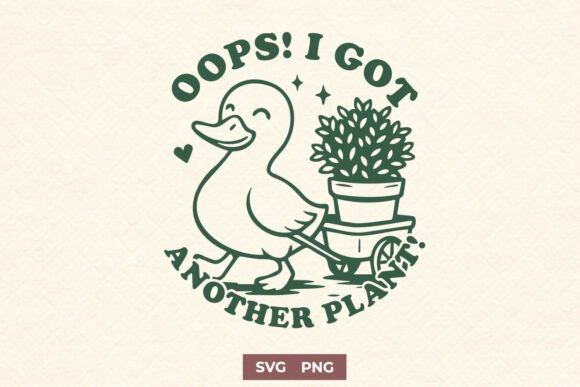
The premise is simple and relatable. For every plant lover who swears “no more plants”... and then buys three more, this adorable duck pulling a plant cart is perfect for plant moms, gardeners, or anyone with a leafy addiction. It is placed squarely in the Crafts category under Graphics, but its true value lies in how it translates to thread. This review focuses on the real-world application of this embroidery file, helping you decide if it deserves a spot in your library for upcoming projects.
First Impressions and Visual Personality
When you first load the Oops I Got Another Plant Funny SVG PNG into your digitizing software, the immediate appeal is its narrative quality. The image of a duck hauling a cart of greenery immediately suggests movement and whimsy. In embroidery, capturing "movement" is tricky because we are working with static stitches. However, the layout of this design naturally lends itself to a balanced composition that works well within standard hoop sizes.
The mood is lighthearted and humorous, which is a key driver for sales in the personalized gift market. It does not feel like a generic clip art; it has a distinct visual personality. The contrast between the soft, rounded shape of the duck and the organic, jagged shapes of the leaves creates a nice visual tension. This makes the design stand out on finished products. It feels like something a customer would proudly wear or display, rather than just using as a disposable item. The humor resonates instantly, creating an emotional connection before the buyer even sees the stitching quality.
Real-World Application: Where Does It Shine?
I have tested similar designs across various mediums, and this particular embroidery project finds its sweet spot in specific product categories. Here is where I see the highest potential for success:
- Tote Bag Design: A canvas tote bag is the natural home for this design. The sturdy fabric provides a stable base for the stitch density required for the duck and the cart. The size allows the details of the leaves to breathe without looking cluttered. It is a perfect accessory for a gardener heading to a nursery.
- Sweatshirt Embroidery: For cozy fall or winter collections, placing this on the chest of a crewneck sweatshirt adds a touch of personality. The thicker fabric supports heavier stabilizer usage, ensuring the design holds its shape after multiple washes. It appeals strongly to the plant mom demographic who values comfort and style.
- Embroidered Patch: If you sell accessories, this design can be easily adapted into an embroidered patch. The circular or oval framing of the duck and cart makes it ideal for iron-on or sew-on patches for denim jackets or backpacks.
- Baby Embroidery: The cute factor is high enough for nursery decor or baby onesies. The theme of growth (plants) pairs well with new life. Just ensure the scale is appropriate for small garments.
- Kitchen Towels and Aprons: For the gardener who also loves to cook, a kitchen towel featuring this design bridges two hobbies. The cotton blend of tea towels accepts thread beautifully, allowing for vibrant thread colors.
In terms of commercial embroidery potential, this design hits a trending topic. Plant ownership has surged, and merchandise that acknowledges the "addiction" with humor performs well on platforms like Etsy. It is not just a picture of a plant; it is a statement piece.
Technical Considerations and Stitch Execution
While the concept is strong, the execution depends entirely on how the digital embroidery file is structured. When reviewing the Oops I Got Another Plant Funny SVG PNG, several technical factors come into play regarding stitch density and hoop size.
Stitch Density and Clarity: The leaves require fill stitches to appear lush. If the density is too low, the fabric will show through, making the design look thin and cheap. If it is too high, the fabric may pucker, especially on lighter materials. You must check that the fill stitch direction varies slightly to catch the light differently, giving depth to the foliage. The duck should likely use satin stitches for outlines and running stitches for finer details like eyes or beak highlights. Ensure these elements are not so small that they merge together during stitching.
Fabric Texture Compatibility: This design performs best on smooth, stable fabrics like cotton twill, canvas, or fleece. Avoid textured fabrics like heavy bouclé or loose-weave linen, as the fine details of the duck’s features may get lost in the weave. Similarly, stretchy knits can distort the cart's geometry unless a cut-away stabilizer is used effectively.
Color Contrast: The success of this design relies heavily on thread colors. The greens of the plants need to pop against the background fabric. On dark fabrics, you will need a white or light-colored underlay to prevent the thread from sinking into the material. On light fabrics, darker greens will provide better definition. Always test color combinations before committing to a production run.
Where to Use Caution
There are certain scenarios where this design might struggle. Small hoop sizes can compromise the integrity of the fine details. If you try to shrink this design down too much for a tiny location, such as the cuff of a sock or a small pocket, the duck may become unrecognizable. Textured fabrics, thin fabrics, and stretchy fabrics are also risky without proper preparation. Dark fabric requires careful balancing of thread weight to avoid a bulky appearance. Layered garments or curved surfaces like caps require precise placement to ensure the cart does not appear distorted by the curvature of the hat.
Practical Designer Notes for Implementation
Before adding this to your production queue, follow these practical steps to ensure a professional finished product:
- Test on Scrap Fabric: Never assume a design will work perfectly on your final material. Stitch it out on the exact fabric you plan to use. Check for puckering, thread breaks, or misalignment.
- Review Stitch Density: Zoom in on the digitizing layer. Are there any areas where the stitch length is inconsistent? Are the pull directions accounted for to prevent distortion?
- Inspect Small Details: Look closely at the duck’s face and the cart handles. These are the focal points. If they are too dense or too sparse, adjust the settings or advise the client on placement.
- Use Proper Stabilizer: For a design involving both dense fills and delicate lines, a combination of tear-away and cut-away stabilizers might be necessary, depending on the fabric weight.
- Check Licensing: Confirm whether the license allows for commercial use of the finished product. Many design assets restrict resale, so verify the terms before listing items on Etsy or selling at craft fairs.
- Create Printable Mockups: Before stitching, create a printable mockup to visualize the design on different products. This helps in marketing and setting customer expectations.
Final Verdict
The Oops I Got Another Plant Funny SVG PNG is a solid addition to any designer’s toolkit, particularly those targeting the gardening and lifestyle niches. Its charm lies in its relatability and clear visual storytelling. When executed correctly with attention to stitch density, thread colors, and fabric texture, it can elevate a simple handmade product into a desirable boutique item. It works beautifully for custom apparel, holiday embroidery, and Etsy seller listings alike. By testing thoroughly and respecting the technical limitations of embroidery, you can turn this graphic into a profitable and beloved embroidery project.